
Introduction
One of the most common questions divers ask when progressing in their diving journey is whether to use sidemount or backmount configuration. Both systems are widely used in recreational and technical diving and each has unique benefits.
Backmount is the traditional scuba configuration most divers learn during their first courses, while sidemount has grown rapidly in popularity because of its flexibility, trim control, and comfort underwater.
Understanding the differences between these systems helps divers choose the configuration that best matches their diving style and goals.
What Is Backmount Diving?
Backmount diving is the traditional scuba configuration where one or two tanks are mounted on the diver’s back using a BCD or backplate and wing system.
This setup is used in most scuba training programs and is the standard configuration for recreational diving.
Advantages of Backmount
• Simple and familiar for most divers
• Stable and streamlined in the water
• Easy equipment setup
• Ideal for recreational diving and dive centers
Backmount systems are commonly used for:
-
recreational diving
-
boat diving
-
training courses
-
deep recreational dives
Because of its simplicity, backmount remains the most common configuration worldwide.
What Is Sidemount Diving?
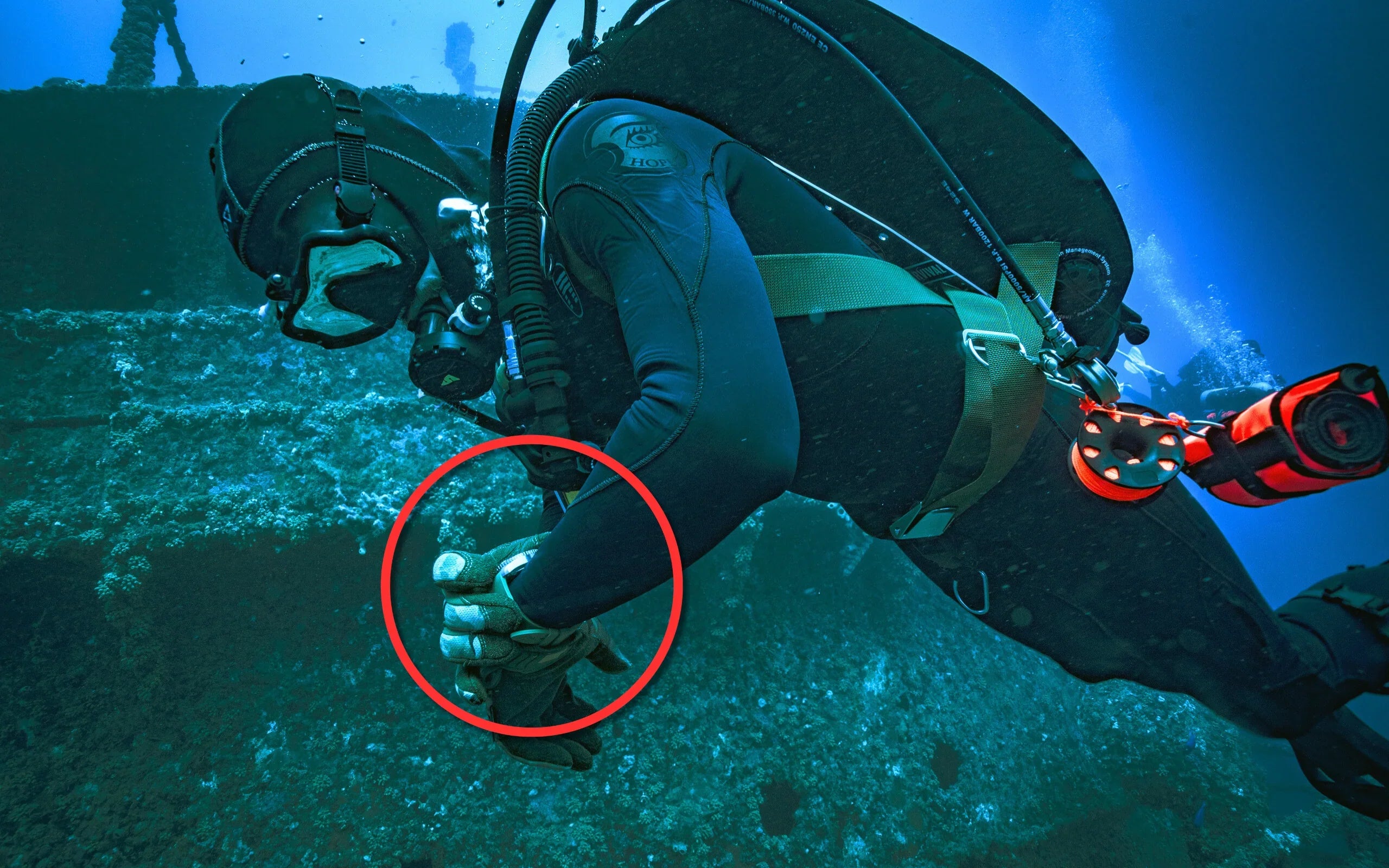
Sidemount diving places the cylinders along the sides of the diver’s body instead of on the back. Tanks are clipped to the harness and positioned under the arms.
Originally developed for cave diving, sidemount has become extremely popular in both recreational and technical diving.
Advantages of Sidemount
• Excellent trim and buoyancy control
• Improved streamlining in the water
• Easier tank management
• Redundant gas supply when using two cylinders
Many divers appreciate the flexibility and comfort of sidemount diving, especially during longer dives.
Key Differences Between Sidemount and Backmount
| Feature | Backmount | Sidemount |
|---|---|---|
| Tank position | On the back | Along the sides |
| Ease of setup | Very simple | Requires more practice |
| Gas redundancy | Single tank unless twinset | Two independent tanks |
| Trim control | Good | Excellent |
| Travel convenience | Standard system | Tanks easier to manage |
Both systems can provide excellent diving performance when configured correctly.
When Divers Choose Backmount
Backmount is usually preferred for:
• Beginner divers
• Standard recreational diving
• Boat diving operations
• Divers who prefer simplicity
Most divers first experience scuba diving using this configuration during their training.
When Divers Choose Sidemount
Sidemount is often chosen for:
• Technical diving
• Cave or overhead environments
• Divers seeking improved trim and buoyancy
• Divers who prefer flexible gas management
Many divers transition to sidemount after gaining experience and completing additional training.
Training and Proper Setup
Regardless of the configuration you choose, proper training and equipment setup are essential.
Professional instruction ensures that divers learn how to:
• configure their equipment correctly
• manage gas efficiently
• maintain proper trim and buoyancy
• handle emergency situations safely
Many divers explore both systems through specialized courses and workshops offered by training centers such as Nemo Diving Center.
Which Configuration Is Best?
There is no single configuration that is “better” for every diver.
The best setup depends on:
• your diving goals
• the environments you dive in
• your comfort and experience level
• the type of equipment you prefer
Many experienced divers are comfortable using both systems depending on the dive plan.
Conclusion
Sidemount and backmount diving both offer reliable and effective ways to dive safely and efficiently. Backmount remains the traditional and widely used setup for recreational diving, while sidemount provides additional flexibility and trim control for more advanced diving environments.
By understanding the strengths of each system, divers can choose the configuration that best supports their diving adventures and future training.