



Introduction
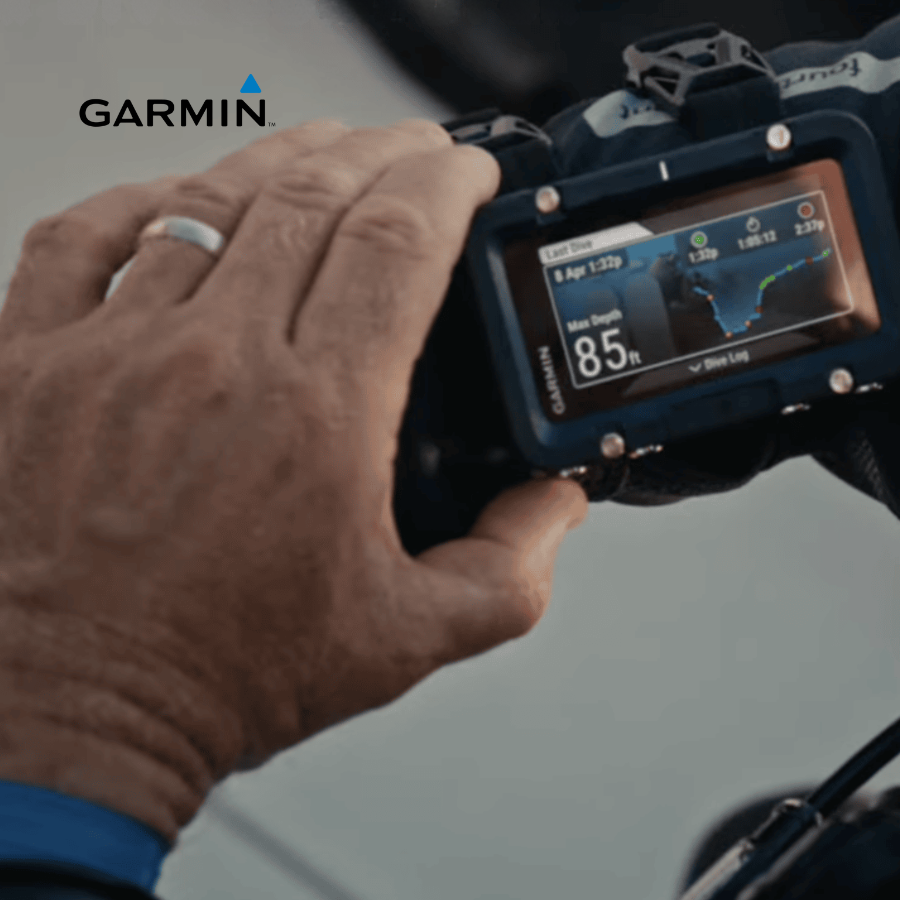
A dive computer is one of the most important pieces of equipment a scuba diver can own. It helps monitor depth, time, and decompression limits, allowing divers to plan and conduct dives safely. As technology continues to evolve, dive computers in 2026 offer advanced features such as air integration, customizable algorithms, wireless connectivity, and support for technical diving.
Whether you are a beginner just starting your diving journey or an experienced diver planning deeper or more complex dives, choosing the right dive computer is essential.
This guide will help you understand the best dive computers available in 2026 and how to choose the right one for your diving style.
Why a Dive Computer Is Essential
Modern dive computers continuously calculate nitrogen absorption and decompression limits in real time. This allows divers to safely manage their dive profiles without relying only on traditional dive tables.
A good dive computer provides:
• Real-time depth and time tracking
• No-decompression limit calculations
• Ascent rate monitoring
• Safety stop reminders
• Dive log recording
More advanced models also offer:
• Air integration with tank pressure monitoring
• Multi-gas capability for technical diving
• Customizable decompression algorithms
• Digital compass and navigation tools
For many divers, a dive computer quickly becomes the most frequently used piece of equipment.
Best Dive Computers for Different Divers
1. Entry-Level Dive Computers
These computers are designed for new divers and recreational diving within standard depth limits.
Typical features include:
• Simple display
• Single gas support
• Basic dive logging
• Easy navigation menus
Entry-level computers are ideal for divers completing their Open Water or Advanced Open Water courses.
They are reliable, easy to use, and generally very durable.
2. Advanced Recreational Dive Computers
Advanced recreational computers offer additional features for divers who dive frequently or travel to different locations.
Common features include:
• Air integration capability
• Multiple gas support (Nitrox)
• Digital compass
• Bluetooth dive log transfer
• Larger and clearer displays
These computers are excellent for divers exploring wrecks, deep dives, or drift dives.
Many divers upgrade to this type of computer after completing the Advanced Open Water course.
3. Technical Diving Computers
Technical diving computers are designed for deeper dives, decompression diving, and multi-gas environments.
These computers typically include:
• Trimix support
• Multiple decompression gases
• Customizable gradient factors
• Advanced decompression algorithms
• Large, high-visibility screens
Technical computers are used by divers conducting:
• Decompression dives
• Deep dives beyond recreational limits
• Cave or wreck penetration dives
Because technical dives require precise gas management and decompression planning, these computers provide extremely detailed information.
Key Features to Consider When Choosing a Dive Computer
1. Display Readability
Visibility underwater is critical. Choose a computer with a clear screen that is easy to read even in low light conditions.
Large color displays have become increasingly popular because they improve readability.
2. Air Integration
Some dive computers can connect wirelessly to a transmitter attached to your regulator. This allows the computer to display real-time tank pressure and gas consumption.
This feature helps divers monitor their gas supply more efficiently.
3. Multi-Gas Capability
If you plan to dive with Nitrox or technical gas mixtures, your dive computer must support multiple gas settings.
Many modern computers allow switching between gases during the dive.
4. Battery Life
Dive computers use either rechargeable batteries or replaceable batteries.
Rechargeable batteries are convenient for frequent divers, while replaceable batteries can be useful during remote travel.
5. Durability and Reliability
Your dive computer must withstand saltwater, pressure, and repeated use.
Reliable brands invest heavily in testing and safety certification to ensure their computers perform accurately.
Who Should Buy a Dive Computer?
While many dive centers provide computers during training, most divers eventually purchase their own device.
Owning your own computer allows you to:
• Track your personal dive history
• Maintain consistent decompression calculations
• Improve dive planning
• Dive independently anywhere in the world
For divers training with Nemo Diving Center, instructors often recommend purchasing a personal computer once divers begin diving regularly.
Tips for Using Your Dive Computer Safely
Even with advanced technology, divers should always follow safe diving practices.
Important tips include:
• Always perform safety stops
• Monitor ascent rate carefully
• Plan dives conservatively
• Never exceed your training limits
Dive computers are powerful tools, but proper training and awareness remain essential.
Conclusion
Dive computers have become an essential part of modern scuba diving. From beginner models to advanced technical diving computers, today’s devices offer powerful features that improve both safety and convenience underwater.
Choosing the right dive computer depends on your experience level, diving style, and future diving goals. Whether you are diving recreationally or planning advanced dives, investing in a reliable dive computer is one of the best decisions a diver can make.
As technology continues to evolve, dive computers in 2026 are more capable, intuitive, and powerful than ever before.